

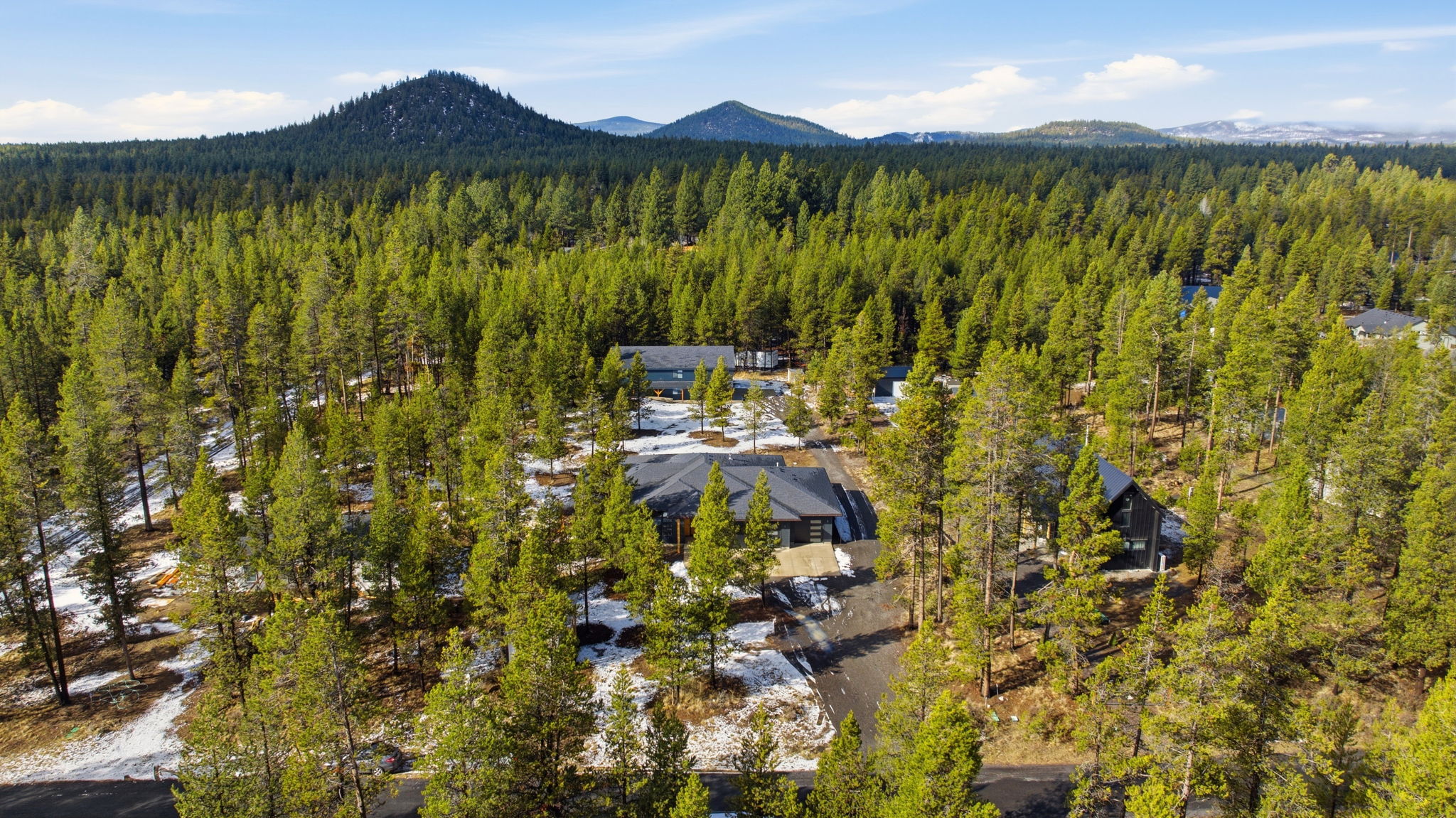

A rumored “building moratorium” should never be treated as a property fact until you identify the exact government action, affected area, permit types, effective dates and exceptions. Near Bend, a stalled project may involve a formal moratorium, but it may instead be an ordinary zoning conflict, an incomplete permit application, a utility-service limitation, a private restriction or a project that needs additional land-use review.
That distinction matters. A temporary, documented pause may change a buyer’s schedule. A rule that does not allow the proposed use may change whether the property works at all.
Start with the project, not the property description
Before researching restrictions, write down what you actually want to do. “Build later” is too vague. A useful project description might be:
- construct one home on a vacant parcel;
- add an accessory dwelling unit or guest space;
- convert a garage or finish existing square footage;
- divide the land or create additional lots;
- add a shop, barn or other outbuilding; or
- connect to municipal water, sewer or another service.
The governing rules, required approvals and utility questions change with the project. A parcel can support one idea but not another. This is why a listing’s “development potential” language is a starting point, not a permit decision.
What an Oregon building moratorium is—and is not
Oregon law treats a moratorium on construction or land development as a formal public action, not simply a slow permit counter. Under ORS 197.505 to 197.540, a city, county or qualifying special district generally must provide advance notice to the Oregon Department of Land Conservation and Development, adopt written findings and hold a public hearing before declaring a moratorium.
For urban or urbanizable land, the findings must address the public-facility shortage creating the need. The statutes also call for a corrective program and limit the duration and extension process. Buyers should read the current ordinance, resolution, findings and corrective program rather than relying on a social post, a neighbor’s summary or an old news story.
Just as important, ORS 197.524 distinguishes a pattern of delaying or stopping permits from a project that cannot be approved because it conflicts with the local comprehensive plan or land-use regulations. In practical terms, “the jurisdiction is not issuing this category of approval” and “this proposal does not meet the rules for this parcel” are different problems.
Five situations that people may loosely call a moratorium
- A formally adopted moratorium. Look for the adopting government, ordinance or resolution, findings, hearing record, effective date, geographic boundary, affected approvals and any exceptions.
- A code or zoning limitation. The intended use may not be allowed outright, may require a discretionary land-use application, or may be restricted by an overlay zone.
- A permit-review delay. A review queue, correction cycle or incomplete submittal can extend a schedule without stopping the jurisdiction from issuing permits.
- A utility constraint. Water, sewer, septic, power, road or fire-access requirements can affect feasibility or timing even when the underlying use is allowed.
- A private restriction. Covenants, easements, architectural rules and road agreements are not government moratoria, but they can still limit what an owner may build.
Do not collapse these into one yes-or-no question. The buyer’s job is to identify which constraint exists, who controls it and what evidence would resolve it.
Use the correct Bend-area jurisdiction
A Bend mailing address does not necessarily mean the City of Bend controls land use and building approvals. Start with the tax lot and confirm whether the property is inside the city, in unincorporated Deschutes County, or within another city or special-district service area.
For property inside Bend, the City’s development and permitting guide links to the zoning lookup, permit history, Development Code, application timelines and optional pre-application meetings. The City explains that zoning controls what may be built, while permit review and technical standards govern how an approved project proceeds.
For unincorporated property, Deschutes County DIAL can help identify planning jurisdiction, zoning, overlays, permit records, documents and service districts. The County’s permit search provides building and land-use application records. These tools are useful screening resources, but a buyer should confirm unresolved questions with the responsible department and appropriate professionals.
A buyer’s verification checklist
1. Confirm the tax lot and planning jurisdiction
Match the legal description, map and tax lot, situs address and listing information. If the project depends on a boundary, easement or lot-of-record issue, obtain the relevant recorded documents and professional guidance.
2. Check current zoning and overlays
Identify the base zone and every applicable overlay or special standard. Then compare the exact proposed use with the current code. A zone label by itself does not answer setbacks, density, access, parking, wildfire, floodplain, historic-resource or other site-specific questions.
3. Review the permit and land-use history
Look for prior approvals, expired permits, open applications, conditions of approval, code issues and improvements that may not match the record. Existing work does not automatically prove that a future project will be approved.
4. Verify whether there is a formal pause
Ask for the ordinance, resolution, staff report or other official record. Record the scope, effective date, expiration or review date, affected permit categories, exceptions and corrective strategy. If staff describes a capacity constraint but no formal moratorium, ask what approval or service decision is actually unavailable.
5. Separate land-use approval from utility feasibility
Confirm water source, sewer or septic path, power, road access, fire access and any provider-specific capacity or connection requirements. “Utilities nearby” does not establish that service is available to the parcel at an acceptable cost or on the buyer’s schedule. The Central Oregon utility setup guide explains how to identify the correct providers by address.
6. Get project-specific written guidance
Save dated emails, meeting notes and documents that identify the parcel and proposed use. A general phone answer may not address a complex land division, ADU, rural use or utility extension. For higher-risk projects, consider a land-use planner, civil engineer, surveyor, title professional, utility representative or Oregon land-use attorney as appropriate.
Protect the purchase timeline
If future construction is central to the purchase, the investigation should happen while the buyer still has meaningful contract options. Depending on the transaction and legal advice, that may include enough time to:
- obtain and review title documents, easements and private restrictions;
- meet with the planning or building department;
- request utility-availability or feasibility information;
- price surveys, engineering, design work and system-development charges;
- confirm how land and construction financing will treat the risk; and
- decide whether to proceed, renegotiate, extend or terminate under the contract.
A feasibility period cannot guarantee approval, but it can keep the buyer from inheriting an unanswered project assumption.
How to decide whether the property still works
Sort the result into one of four categories:
- Allowed and currently serviceable: the project still needs normal design, application and permit work.
- Allowed with conditions: the idea may work, but added review, infrastructure or professional work changes the budget and schedule.
- Temporarily unavailable: a documented pause or capacity issue has a defined process that the buyer can evaluate.
- Not supported by current rules or private rights: the property should be valued for what is legally and practically available now, not for a hoped-for change.
David Keyte’s documented buyer due-diligence approach is to slow the decision down long enough to identify expensive systems, land-use constraints and questions that require a specialist. The goal is not to predict what a government will approve. It is to understand what is known, what remains uncertain and whether the buyer is comfortable owning that uncertainty.
Related Bend property research
- Bend Property-Use Rules: A Buyer’s Due-Diligence Guide
- What Actually Makes a Bend Property Work for an ADU
- Rural Property Access Near Bend: Easements and Private Roads
If you are evaluating a Bend or Central Oregon property for a specific future use, Bend Relo can help organize the real-estate due diligence and identify which questions belong with planning staff, utility providers, title professionals and technical specialists.
- bendrelo.com — Property search and real-estate guidance
- movingtobend.com — Central Oregon lifestyle and relocation research
- bendrelocationservices.com — Relocation support
Talk with David & the Bend Relo team
Buying, selling, relocating, or evaluating a specific property? Tell us what you are working through. We are happy to help.





