
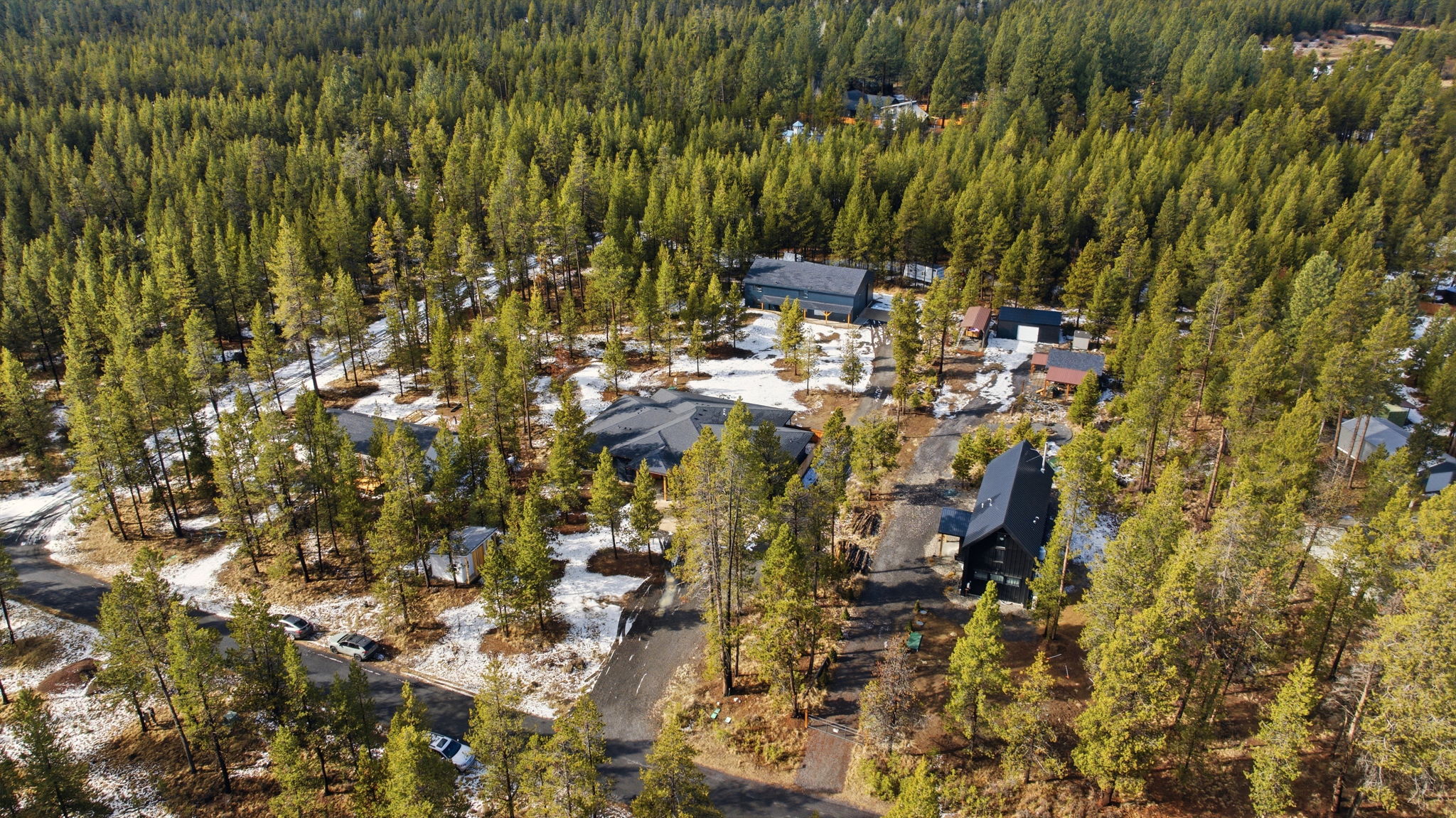
The High Desert Power Grid: Understanding Central Oregon’s Winter “Peak Demand” Rebates and How to Lower Your 2026 Utility Bills
Winter in Central Oregon brings cold mornings, snowy landscapes, and a sharp rise in household energy use. As heating systems work harder, electricity demand across the region spikes—creating what utility providers call “peak demand” periods. These high-usage windows place strain on the power grid and often lead to higher energy costs for homeowners.
At our real estate company, we believe informed homeowners make smarter financial decisions. Understanding how winter peak demand rebates work can help you reduce monthly expenses, improve energy efficiency, and protect your home’s long-term affordability.
Below is a practical guide to how these programs function and how you can benefit during the 2026 winter season.
Key Takeaways
- Peak demand occurs during extreme cold when energy usage surges
- Utilities offer rebates for reducing electricity use during peak hours
- Small behavior changes can significantly lower winter bills
- Smart home upgrades increase rebate eligibility
- Energy-efficient homes are increasingly attractive to buyers
What Is “Peak Demand” in Central Oregon?
Peak demand refers to specific times when electricity usage across the region reaches its highest levels—typically cold winter mornings and evenings when heating systems, appliances, and lighting are all running simultaneously.
During these periods, utility providers must generate or purchase additional electricity, which increases operational costs. To reduce strain on the grid, many utilities now encourage homeowners to temporarily lower usage through incentive and rebate programs.
How Peak Demand Rebates Work
Peak demand rebate programs reward households that reduce electricity consumption during designated high-use periods.
Typical Program Structure
- Utilities notify customers of upcoming peak events
- Homeowners reduce power usage during set hours
- Energy reductions are measured against normal usage patterns
- Participants receive bill credits or rebates
Even modest reductions—such as adjusting thermostats or delaying appliance use—can qualify for savings.
Simple Ways to Reduce Energy Use During Peak Hours
Homeowners don’t need major renovations to participate effectively.
Easy Adjustments That Make a Difference
- Lower your thermostat by 2–3 degrees temporarily
- Run dishwashers and laundry overnight
- Turn off nonessential lighting
- Preheat homes before peak periods begin
- Use programmable or smart thermostats
These small actions collectively help stabilize the power grid while lowering your energy costs.
Smart Upgrades That Increase Long-Term Savings
Certain home improvements make participation easier and maximize rebate opportunities.
Energy Improvements to Consider
- Smart thermostats with automated scheduling
- Improved attic insulation
- Energy-efficient windows
- Heat pump systems
- Sealed ductwork
Many of these upgrades may also qualify for additional efficiency incentives beyond peak demand programs.
Why Energy Efficiency Matters for Home Value
Energy performance has become a growing priority for homebuyers, especially in regions with colder winters and rising utility costs.
Homes with documented efficiency upgrades often benefit from:
- Lower operating expenses
- Increased buyer confidence
- Stronger resale appeal
- Improved comfort year-round
Energy-conscious features are increasingly viewed as long-term financial advantages rather than optional upgrades.
Preparing Your Home Before Winter 2026
The best time to prepare for peak demand programs is before temperatures drop.
Seasonal Preparation Checklist
- Schedule HVAC maintenance in early fall
- Seal air leaks around doors and windows
- Upgrade thermostat programming
- Review past winter utility bills
- Enroll in available utility rebate programs
Planning ahead allows homeowners to capture savings throughout the entire heating season.
Smarter Energy Use Starts at Home
Central Oregon’s high desert climate demands more from homes during winter, but understanding how the local power grid operates gives homeowners a clear advantage. Peak demand rebates offer an opportunity to lower expenses while contributing to a more reliable energy system for the entire community.
Whether you’re planning energy upgrades, preparing to sell, or simply looking to reduce monthly costs, proactive energy management helps protect both your comfort and your investment. Our team is always available to help homeowners understand which improvements add real value in today’s market.