
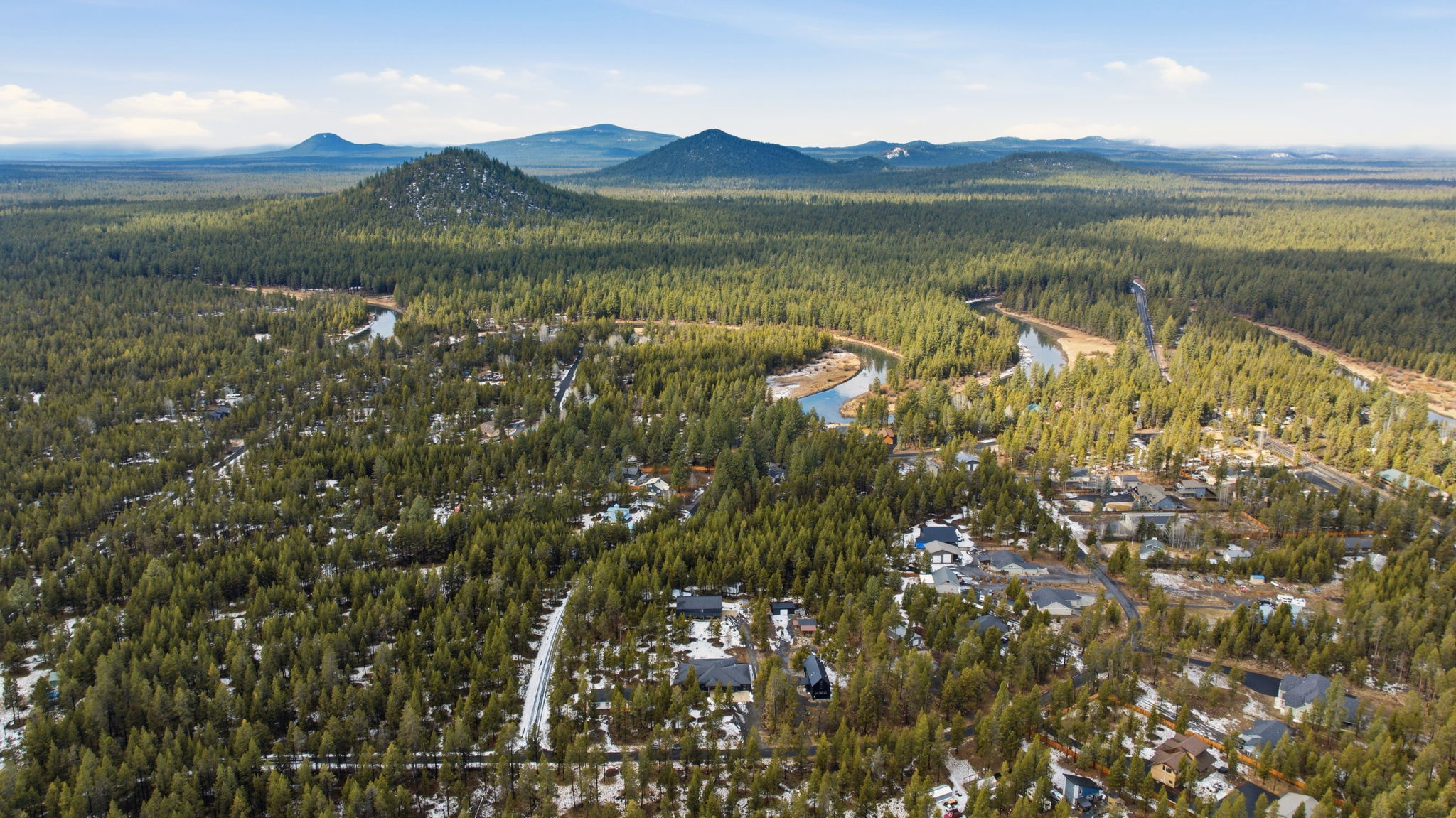
From the Bay to Bend: A 2026 Cost-of-Living Reality Check
Relocating from the San Francisco Bay Area to Central Oregon is a well-trodden path, but in 2026, the financial math has shifted. While you may be trading the Golden Gate for the Three Sisters, the “discount” of moving north isn’t as steep as it once was. Transitioning into the Bend cost of living requires a clear-eyed look at how high-desert expenses balance against California’s famous tax brackets.
Key Takeaways
-
Tax Arbitrage: Oregon’s lack of sales tax offers immediate relief, but higher income tax brackets can surprise top earners.
-
Utility Efficiency: Electricity rates in Bend remain roughly 40-50% lower than typical PG&E bills in the Bay Area.
-
Property Tax Nuance: Unlike California’s Prop 13, Oregon property taxes are based on a “permanent rate” that can feel higher for new buyers.
-
The Adventure Tax: Factor in the hidden costs of recreation, from annual Sno-Park permits to high-altitude gear maintenance.
-
Fuel and Travel: Gas prices are consistently lower in Oregon, though winter vehicle prep is a mandatory seasonal expense.
The Income Tax vs. Sales Tax Trade-off
The most immediate change to your Bend cost of living is the tax structure. Oregon is one of only five states with no sales tax, meaning the price you see on the tag is the price you pay at the register. However, Oregon relies heavily on state income tax, with brackets ranging up to 9.9%. While this is still lower than California’s top tier of 13.3%, middle-income earners may find the two states surprisingly comparable in their total state tax burden.
Property Taxes Beyond Proposition 13
In California, Prop 13 often keeps property taxes artificially low for long-term owners. In contrast, the Bend cost of living includes an effective property tax rate of roughly 0.6% to 0.7% of the home’s market value. While this rate is lower than the national average, the rapid appreciation of Bend real estate means your annual tax bill for a median-priced home ($750k+) will likely land between $5,000 and $7,000 per year.
High-Desert Utility Savings
One area where Bend truly shines is the monthly utility bill. Thanks to abundant hydroelectric and growing solar capacity, electricity rates in Central Oregon hover around 11 ¢/kWh. Compared to the Bay Area, where rates can exceed 33 ¢/kWh, many residents see their power bills cut in half. However, keep in mind that water usage spikes in the summer to keep high-desert landscapes green, which can offset some of those electricity savings.
Budgeting for the “Adventure Tax”
Living in Bend is an invitation to play, but that play comes with a price tag. The “Adventure Tax” includes the various permits required to access public lands.
Annual Permit Costs for 2026:
-
Oregon Sno-Park Permit: $25 (Required for winter trailhead parking).
-
Northwest Forest Pass: $30 (Covers day-use fees at National Forest sites).
-
Central Cascades Wilderness Permits: Required for popular summer hiking routes (nominal fee per person).
Transportation and Seasonal Prep
While California residents are used to high gas prices, the Bend cost of living offers a reprieve at the pump, with fuel typically costing 50 to 75 cents less per gallon than in the Bay Area. The trade-off is the “Winter Prep” expense. Most locals invest in a dedicated set of winter tires (roughly $800–$1,200) and regular undercarriage washes to remove the volcanic cinders used for traction on icy roads.
Grocery and Dining Realities
Don’t expect a major discount at the grocery store or local restaurants. Because Bend is a geographically isolated tourism hub, logistics costs are high. Grocery prices are roughly on par with national averages, and dining out at a popular brewery will cost about the same as a night out in a trendy San Francisco neighborhood. In 2026, you are paying for the quality of the ingredients and the atmosphere of the high desert.
Final Thoughts on the California Transition
Moving from the Bay Area to Bend is rarely just about the money; it’s about the quality of life. While the Bend cost of living is no longer “cheap,” the lack of traffic, cleaner air, and instant trail access provide a return on investment that a spreadsheet can’t always capture. By understanding the tax shifts and utility perks, you can make your move with total financial confidence.