

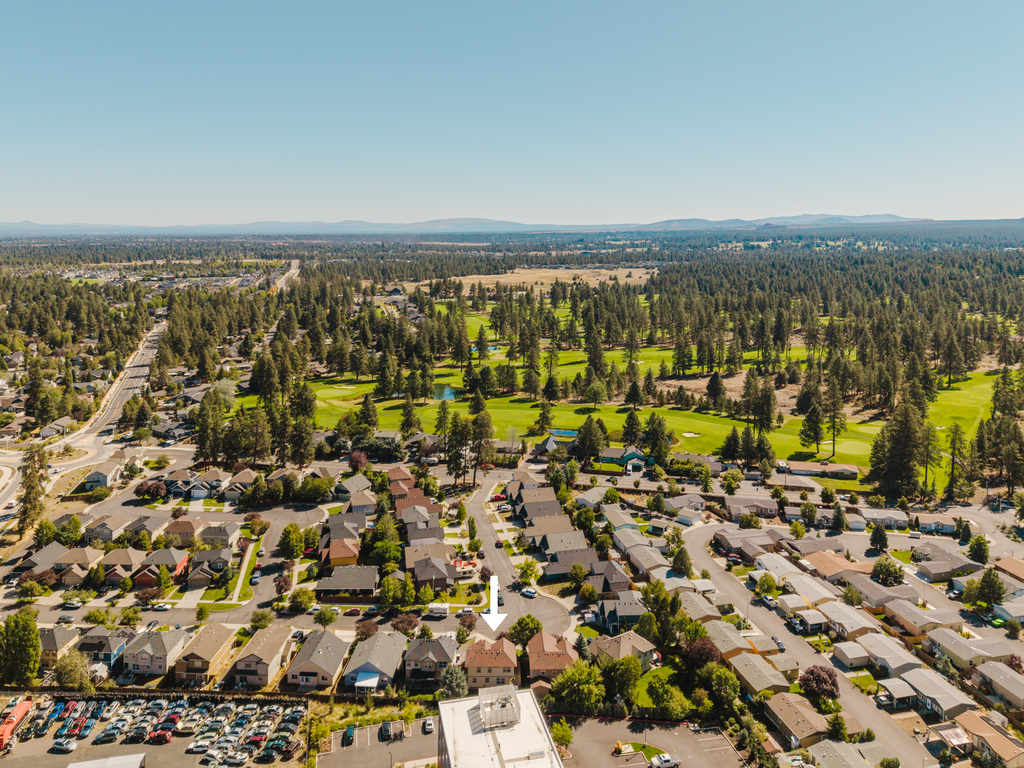
Wildfire-ready landscaping in Bend starts with a simple priority: reduce combustible material closest to the home, then break up fuels as you move outward. The useful plan is property-specific. City code, county zoning, HOA rules and an insurer’s underwriting questions are related, but they are not the same thing.
That distinction matters because there is no single “2026 Deschutes County landscaping standard” that applies identically to every existing home. The City of Bend has flammable-vegetation rules and practical defensible-space guidance. Bend also adopted a wildfire-resilient building code for new detached residential construction, effective for permit applications submitted on or after May 15, 2026; it does not apply to additions or renovations of existing buildings. In unincorporated Deschutes County, requirements can depend on zoning, location and whether the work involves new construction. Oregon’s 2026 defensible-space model code is available for voluntary local adoption rather than operating as an automatic statewide mandate.
Start with the house and the first five feet
The immediate zone deserves the first attention because wind-driven embers can collect against siding, under decks and in roof or gutter debris. Bend Fire & Rescue and the Oregon State Fire Marshal recommend keeping the first five feet around structures as lean and noncombustible as practical.
- Remove pine needles, leaves and other debris from roofs, gutters, decks and the base of exterior walls.
- Move firewood, lumber, patio cushions and other combustible storage away from the house.
- Use noncombustible ground cover such as gravel, rock or pavers next to structures instead of bark or accumulated organic mulch.
- Repair loose roof materials and damaged screens, and discuss vulnerable vents or gaps with an appropriate contractor.
- Pay attention to fences, gates and decks that can create a continuous combustible path to the home.
This work can still support curb appeal. A defined gravel edge, well-placed pavers and intentional plant beds usually look more finished than a foundation crowded with dry vegetation.
Build separation from five to 30 feet
In the intermediate zone, the goal is not a bare yard. It is to prevent grass, shrubs and low tree branches from forming one uninterrupted route for fire.
- Keep grass maintained and remove dead plant material regularly.
- Separate plant groupings with walkways, patios, irrigated lawn or other fuel breaks.
- Prune lower branches and remove ladder fuels that connect surface vegetation to tree canopies.
- Keep branches from touching or overhanging the roof and eaves.
- Choose plants for placement, moisture, maintenance needs and mature size—not only because a label calls them “fire resistant.”
Oregon State University Extension emphasizes that fire-resistant does not mean fireproof. Plant condition, dead material, spacing and maintenance can matter as much as the species itself. Spreading or upright juniper is one example OSU identifies as highly flammable near a home.
Manage the area from 30 to 100 feet—and beyond when needed
The extended zone is where owners can reduce large fuel concentrations and improve access. Store firewood at least 30 feet from buildings when the site allows. Thin dense vegetation, break up brush and address debris piles. On a smaller city lot, part of this zone may extend onto neighboring property; on acreage or a steep site, the planning area may extend farther.
Do not remove trees or alter vegetation without checking applicable City, County, HOA, utility, waterway or habitat requirements. If the work involves large trees, steep terrain, power lines or significant fuels, use qualified professionals.
Know which rule applies to the property
A practical due-diligence sequence is:
- Confirm the jurisdiction. Determine whether the property is inside Bend city limits or in unincorporated Deschutes County.
- Check zoning and permit history. County firebreak standards can be tied to Forest Use zoning and new or replacement structures. Bend’s R327 home-hardening requirements concern newly constructed dwellings and accessory structures, not a mandatory retrofit of every existing house.
- Read private restrictions. HOA or architectural standards may be more restrictive than public code and may control visible landscape changes.
- Ask the local fire authority. Bend Fire & Rescue and the Oregon State Fire Marshal offer assessment resources that can help owners prioritize work.
- Call the insurer before assuming savings. Mitigation may improve a property’s risk profile, but it does not guarantee coverage, a premium reduction or a particular claim outcome.
Questions to ask when buying a Bend-area home
- Is combustible mulch, fencing, decking or storage directly against the structure?
- Are roof valleys, gutters and the space below decks accessible for maintenance?
- Do branches overhang the roof or connect shrubs to tree canopies?
- Is there room to relocate firewood, propane equipment or other stored fuel?
- Are the address and driveway visible and usable for emergency access?
- Does the property have an HOA landscape plan, Firewise USA® participation or past assessment?
- Will the insurer request mitigation, roof work or additional documentation before binding coverage?
- For rural property, do zoning, access, well, septic and vegetation-management costs fit the ownership budget?
For the insurance side of the decision, see our home-insurance guide for Bend buyers. Buyers considering larger rural parcels can also use our Central Oregon acreage maintenance checklist.
Make maintenance part of the plan
A one-time cleanup is not a permanent solution. Schedule roof and gutter debris removal, seasonal mowing, pruning and checks below decks and along fence lines. Keep plants healthy without allowing them to grow into continuous fuel beds. The annual FireFree program can also help Central Oregon households dispose of eligible yard debris.
Take dated photos and keep invoices for major mitigation or home-hardening work. Those records can help with future maintenance, insurance conversations and buyer questions, but they should not be presented as a guarantee that a home will survive a wildfire.
Official resources
- City of Bend: Own Your Zone and wildfire home assessments
- City of Bend: Flammable Vegetation Code guidance
- City of Bend: R327 new-construction requirements
- Oregon State Fire Marshal: defensible-space checklist and free assessment
- OSU Extension: Fire-resistant Plants for Home Landscapes
Plan the work around the actual home
If wildfire risk is part of your Bend or Central Oregon move, Bend Relo can help compare specific homes and organize questions for the fire district, insurer, HOA, inspector and the appropriate City or County office. Those professionals should confirm regulatory, construction, landscape and insurance requirements for the individual property.
Talk with David & the Bend Relo team
Buying, selling, relocating, or evaluating a specific property? Tell us what you are working through. We are happy to help.





