

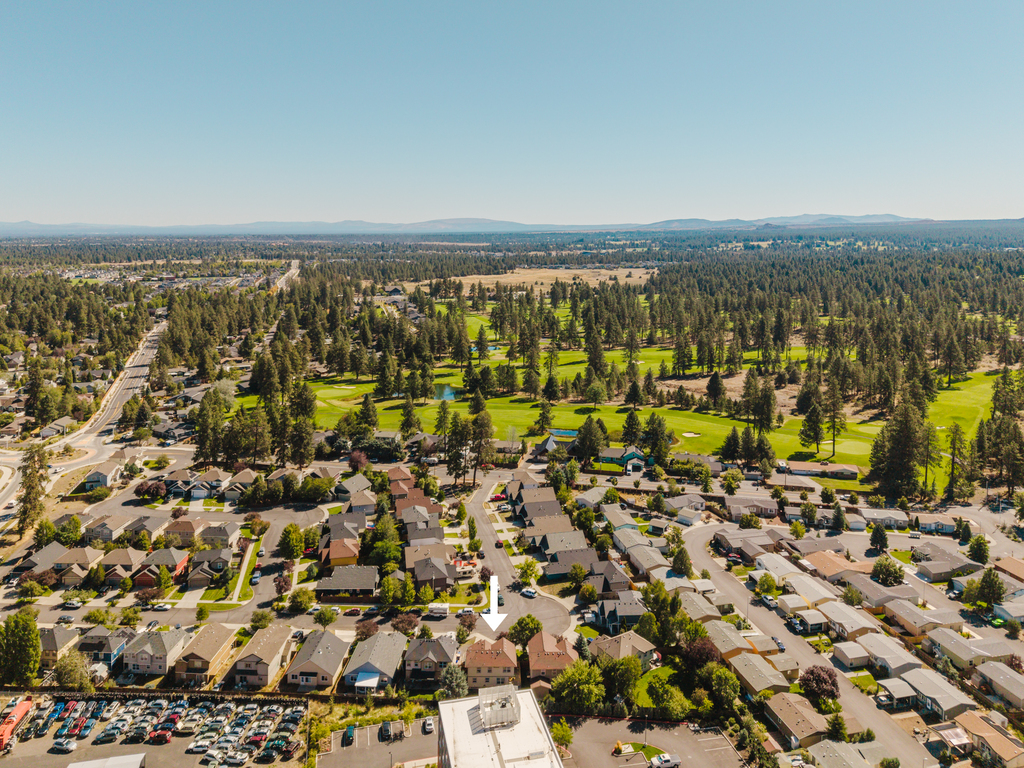
Retiring in Bend can be a good fit for someone who values four seasons, outdoor access and a smaller-city pace, but the right housing choice starts with the type of community—not a “best” list. A 55+ ownership community, a manufactured-home community, independent living, assisted living and a conventional Bend home all create different costs, rules and responsibilities.
Use this guide to narrow the options, then verify the current community documents, fees, availability and care services before making a decision.
What “55+” actually means
“55+” is a legal housing category, not a promise that every resident is at least 55. Under the federal Housing for Older Persons rules, a qualifying 55-and-older community generally must have at least 80% of its occupied units occupied by at least one person age 55 or older, along with policies and age-verification procedures. A community may adopt more specific occupancy rules for spouses, younger household members and guests.
Before relying on a listing description, read the governing documents and ask the community or association to confirm:
- the minimum-age and occupancy rules;
- guest and caregiver policies;
- rental, pet and vehicle restrictions;
- monthly dues or space rent and what they cover;
- maintenance responsibilities and reserve funding; and
- resale, financing and insurance requirements.
The federal standard is explained in 24 CFR Part 100, Subpart E. Community rules can be more detailed, so the recorded covenants, lease or residency agreement still matter.
Three different retirement-housing models in Central Oregon
Individually owned homes in an active-adult community
The Falls at Eagle Crest, west of Redmond, is an over-55 active-adult community within Eagle Crest. The Ridge at Eagle Crest Owners’ Association says its homes are individually owned; owners are responsible for their homes, landscaping and lots, while association dues support the clubhouse and common areas.
This model may suit someone who wants a detached home and community amenities but is comfortable with normal ownership obligations. It is outside Bend, so compare the drive to health care, shopping, friends and the activities that will shape an ordinary week—not just the resort setting.
A manufactured home with leased land
Cascade Village is a 55+ manufactured-home community in northeast Bend. Its current FAQ says residents pay a monthly space fee for the lot, community services and amenities; homeowners remain responsible for their homes, lots, landscaping and irrigation systems.
That structure is materially different from owning both a home and the land beneath it. Ask for the current lot-rental agreement, screening policy, rules, fee schedule and any history of space-rent increases. Confirm that the home and lease structure fit the financing and resale plan you expect to use.
Independent living with optional levels of support
Touchmark at Mount Bachelor Village describes independent living, assisted living, memory care and home-care options at its Bend campus. This is a service-based senior-living model rather than a conventional neighborhood comparison.
When care is part of the decision, compare the housing agreement, included services, staffing, how fees change as needs change and whether two partners with different care needs can remain near each other. The Oregon Department of Human Services licensing search provides provider profiles, inspection reports, substantiated violations and regulatory actions for licensed long-term-care settings.
A conventional home may still be the best retirement fit
Not every retiree needs an age-qualified community. A one-level home, townhome or condominium in a general-occupancy neighborhood may offer more location choices and easier access to established friends, trails, shops or medical appointments.
Start with how you expect to live day to day. Bend Relo’s approach is to match a property to the buyer’s intended use, then identify what must be verified. For retirement housing, that means looking beyond finishes to stairs, snow and ice exposure, yard work, roof and HVAC age, garage access, guest space, pets, HOA obligations and the possibility of future mobility changes.
Our Bend neighborhood relocation guide explains how to compare locations by routine, access and trade-offs rather than relying on broad rankings.
Taxes and health care: verify the whole picture
Oregon does not have a general sales or use tax, and the Oregon Department of Revenue says Social Security benefits included in federal adjusted gross income are subtracted on the Oregon return. Those facts do not mean retirement in Oregon is tax-free. Other retirement income may be taxable, property taxes vary by property and individual circumstances differ. Review the current Oregon sales-tax guidance and personal-income-tax resources, then speak with a qualified tax adviser about your situation.
St. Charles Bend is the city’s hospital campus, but proximity to a hospital is only one part of health-care planning. Before moving, confirm that the physicians, specialists, pharmacies, rehabilitation services and insurance network you use are available locally. The St. Charles Bend location page and provider directory are useful starting points.
A practical retirement-housing checklist
- Housing structure: Do you own the land, lease it or pay for housing and services under a residency agreement?
- Monthly cost: What is included in dues, space rent or service fees, and what can change?
- Maintenance: Who handles landscaping, snow, exterior repairs and major systems?
- Accessibility: Can the home work with fewer stairs, wider paths and a main-level bedroom and bath?
- Care: Is this independent housing, licensed care or a community that offers both?
- Location: How long is the real drive to appointments, groceries, recreation and the people you see most?
- Rules: Are pets, guests, rentals, vehicles and home modifications compatible with your plans?
- Exit plan: How would the home be financed, sold or transferred later?
A useful comparison is not “Which Bend retirement community is best?” It is “Which housing model supports the life I want now, and what happens if my needs change?” Bend Relo can help compare the real-estate side of those choices, review property-specific obligations and coordinate the questions that belong with community managers, attorneys, tax professionals or care providers.
Talk with David & the Bend Relo team
Buying, selling, relocating, or evaluating a specific property? Tell us what you are working through. We are happy to help.





