🔥 Protecting Your Bend Investment: A Guide to Fire Safety and Home Insurance
The beauty of Bend lies in its proximity to the Deschutes National Forest and the stunning high desert landscape. We at Bend Relo live and breathe this environment, and we wouldn’t trade it for the world. However, responsible homeownership in Central Oregon means acknowledging and actively managing the risk of wildfire. This is where Bend Wildfire Insurance becomes essential.
For buyers and current homeowners in Deschutes County, understanding your home’s wildfire hazard zone and reviewing your insurance coverage is not just an optional chore—it’s an essential part of protecting your investment.
1. Understanding the Wildfire Hazard in Deschutes County
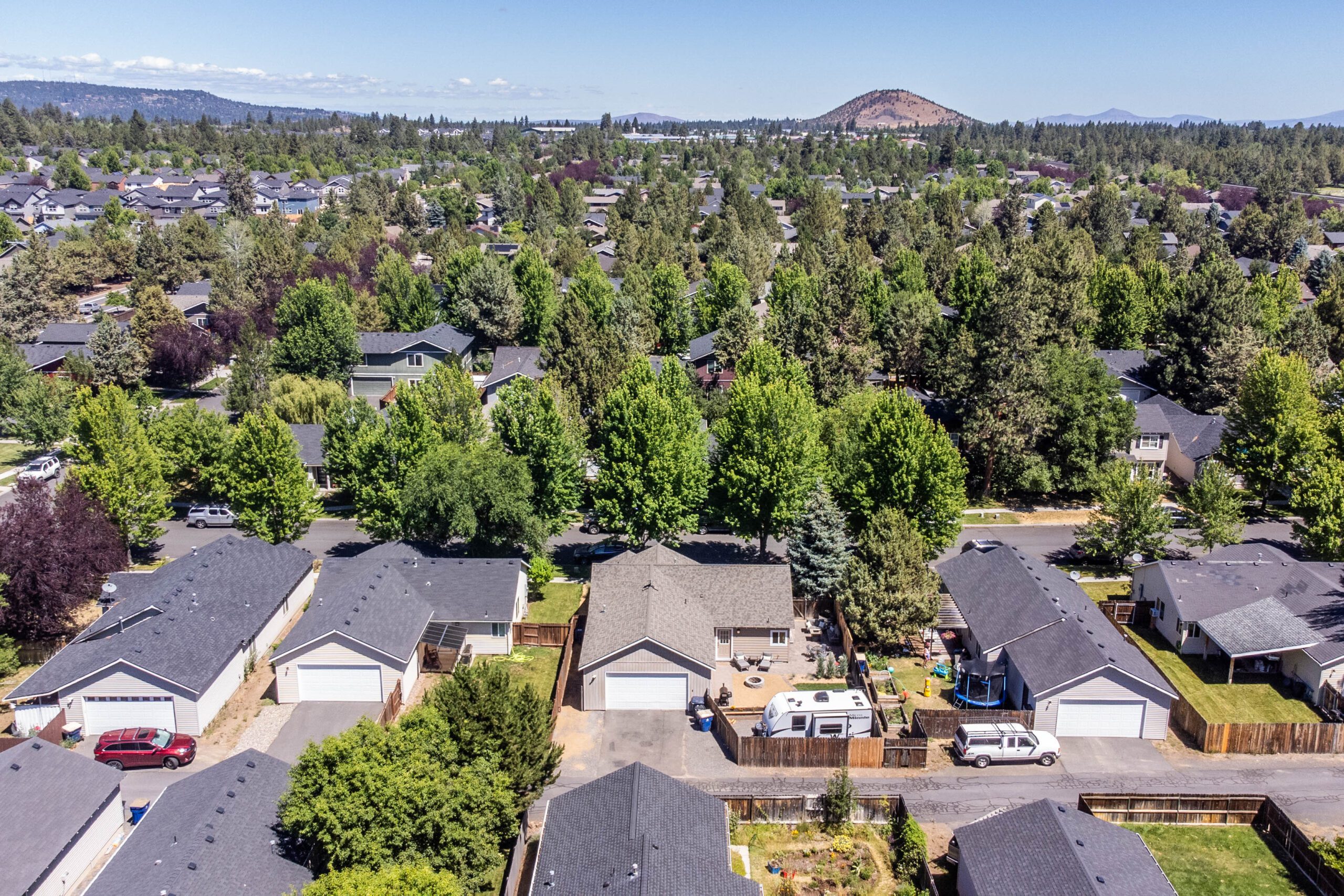
Bend is situated in a Wildland-Urban Interface (WUI), the area where human development meets or intermingles with wildland vegetation. This placement is what makes our region so desirable, but it also elevates the fire risk.
While statewide maps have been subject to recent legislative changes, local jurisdictions are focusing on proactive measures. Deschutes County continues to utilize mapping and planning tools to identify areas where the combination of vegetation and development presents the highest risk.
-
The WUI Defined: If your property borders public lands, features dense vegetation (like juniper, sagebrush, or pine), or is on a sloping hillside, it likely falls into a high-risk area.
-
Know Your Zone: We highly recommend checking local planning resources (like the Deschutes County Community Wildfire Protection Plan or maps provided by Bend Fire & Rescue) to understand your specific property’s exposure.
2. Your First Line of Defense: Defensible Space
Insurance companies and local fire authorities agree: the single most effective way to protect your home and potentially influence your insurance rate is through Defensible Space and Home Hardening.
Defensible Space is the buffer you create between a structure and the wildland. It is often broken down into zones:
| Zone | Distance from Home | Key Actions |
| Immediate Zone | 0 to 5 feet | Remove all flammable materials (mulch, dry leaves, pine needles, firewood). Use non-combustible materials like gravel or pavers. Install 1/8″ metal mesh on all vents. |
| Intermediate Zone | 5 to 30 feet | Mow grass to 4 inches or less. Prune trees to remove low-hanging branches (ladder fuels). Space out shrubs and vegetation. |
| Extended Zone | 30 to 100 feet | Remove excessive deadwood and debris. Maintain separation between tree crowns (10-foot spacing is often recommended). |
Pro Tip: Simple actions like regularly cleaning your roof and gutters of pine needles are critical, as wind-blown embers cause most structure ignitions.
3. Home Insurance in a High-Risk Area: What to Review
The rising risk of wildfire across the West has caused changes in the insurance market, leading to higher premiums and stricter underwriting. If you are buying a home or renewing a policy in Deschutes County, it is crucial to review the following:
A. Policy Limits and Coverage Type
-
Dwelling Coverage: Ensure your coverage is based on the replacement cost of rebuilding your home today, not its purchase price or market value. Construction costs in Bend are high, and rebuilding after a major loss can exceed the original insured amount.
-
Additional Living Expenses (ALE): This covers costs (like temporary housing and food) if a fire makes your home uninhabitable. Given the scale of potential evacuations, confirm the limits and duration of this coverage.
B. Deductibles and Exclusions
-
Wildfire Deductibles: Some insurers in high-risk zones may require a separate, higher deductible specifically for wildfire claims. Make sure you understand this amount.
-
Coverage for Smoke/Ash: Confirm your policy explicitly covers damage from smoke and ash, which can travel miles from the fire source.
C. Fire Protection Class (ISO Rating)
The ISO (Insurance Services Office) rating reflects the fire protection capability of the local fire department and water supply.
-
Inside Bend City Limits: Most buildings inside the City of Bend limits receive a favorable ISO Class 2 rating due to proximity to fire stations and hydrants.
-
Rural Deschutes County: Properties outside the city limits may have higher ratings (like Class 4, 10W, or 10), which can significantly impact your premium. If you are in a rural area, check your exact rating.
Making a Safe and Informed Investment
At Bend Relo, our goal is to help you secure a safe and happy home in Central Oregon. We encourage all clients to contact insurance agents early in the buying process and discuss wildfire mitigation efforts with them. Documenting your defensible space efforts may lead to better coverage options or discounts.
Ready to find your investment property in Bend and need guidance on insurance and risk? Contact Bend Relo today, and let us connect you with local experts who can help protect your future home.
Talk with David & the Bend Relo team
Buying, selling, relocating, or evaluating a specific property? Tell us what you are working through. We are happy to help.