New Construction vs. Resale in Bend: Which is Your Perfect Match?
In the ever-evolving Bend real estate market, 2026 has brought us to a fascinating crossroads. For years, the choice between buying a pre-existing home or building a brand-new one was largely driven by inventory shortages. Today, however, the market has rebalanced, giving buyers the luxury of choice.
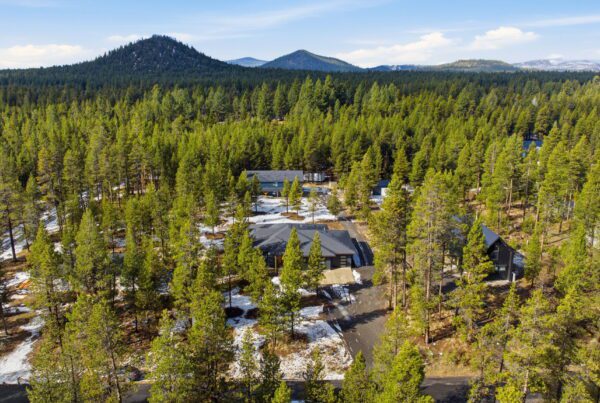
Whether you’re dreaming of a modern masterpiece near the new Petrosa developments or a charming bungalow with mature pines in the Westside, each path offers distinct financial and lifestyle advantages. Let’s break down how new construction and resale homes stack up in today’s Central Oregon market.
The New Construction Appeal: Fresh, Efficient, and Yours
In 2026, new construction in Bend isn’t just about “newness”—it’s about performance. With Oregon’s updated energy codes, today’s new builds are significantly more efficient than homes built even a decade ago.
The Pros:
-
Energy Efficiency: Most new builds now include cold-climate heat pumps and advanced insulation, leading to lower utility bills in our high-desert winters.
-
The Warranty Safety Net: Moving in with a builder’s warranty means you won’t be worrying about a roof leak or a failing water heater for years to come.
-
Customization: If you get in early, you can select the quartz, the flooring, and the smart-home tech that fits your specific taste.
The Cons:
-
The “Wait” Factor: Depending on the stage of construction, you might be looking at 6 to 12 months before move-in.
-
Landscaping & Extras: Often, new builds don’t include window treatments or full backyard landscaping, which can add $15,000–$30,000 to your initial post-close budget.
-
Location: Most new large-scale developments are on the expanding edges of town, which may mean a longer commute to the downtown core.
The Resale Advantage: Character, Location, and Speed
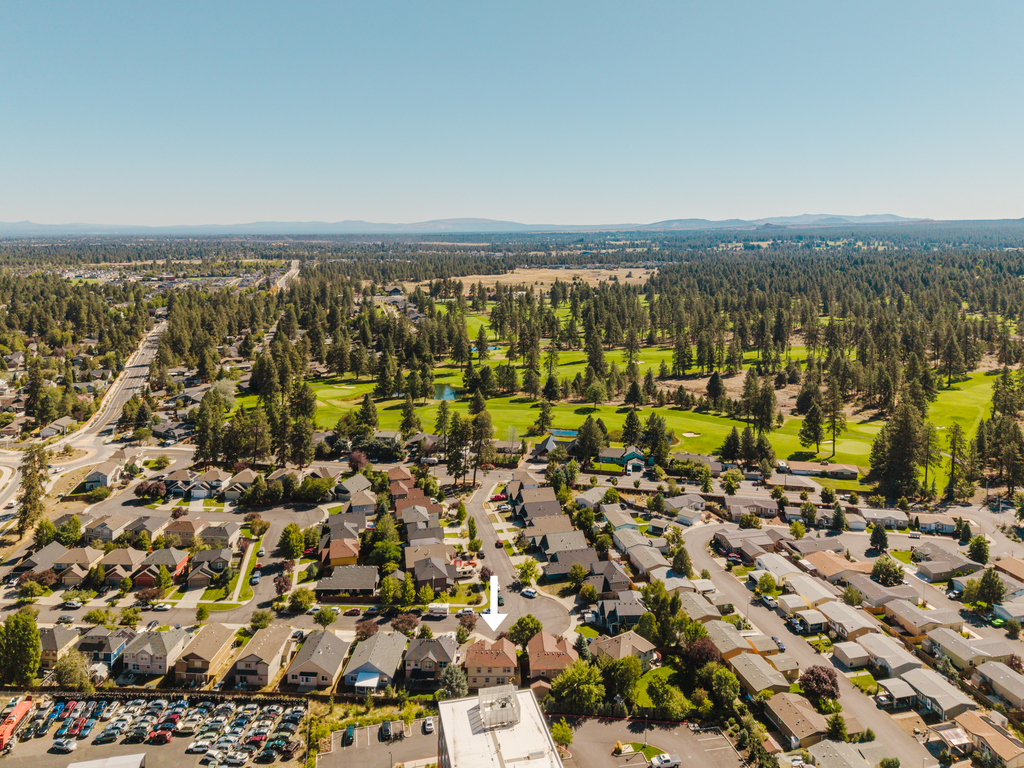
Resale homes remain the heartbeat of Bend. From the historic character of the Oldview neighborhood to the established communities of Larkspur, these homes offer a “lived-in” comfort that new construction often lacks.
The Pros:
-
Prime Locations: Resale homes are often closer to the “Bend Staples”—the river, the breweries, and the downtown shops.
-
Mature Landscaping: You can’t buy 30-year-old Ponderosa pines. Existing homes often come with privacy and shade that new lots won’t have for decades.
-
Negotiation Power: In 2026’s balanced market, sellers of existing homes are often more flexible on price or “closing cost credits” than large-scale builders.
The Cons:
-
Maintenance “Surprises”: Even with a great inspection, older systems (HVAC, roofs, or sewer lines) may be nearing the end of their life cycle.
-
Dated Layouts: You might find smaller closets or “closed-off” kitchens that require a renovation budget to bring up to 2026 standards.
2026 Cost Comparison at a Glance
To help you visualize the financial difference, here is how the typical 2,200 sq. ft. home compares in today’s market:
| Feature | New Construction (2026) | Resale Home (Pre-2015) |
| Median Purchase Price | $740,000 – $790,000 | $685,000 – $735,000 |
| Price per Sq. Ft. | $340 – $410 | $310 – $375 |
| Annual Maintenance | Low ($500 – $1,200) | Moderate/High ($3,000+) |
| Move-in Timeline | 4 – 12 Months | 30 – 45 Days |
| Upfront Fees | SDCs & Permit Fees ($20k+) | Standard Closing Costs |
The Verdict: Which is right for you?
If your priority is move-in ready ease, lower monthly bills, and modern tech, new construction is likely your winner. However, if you crave immediate occupancy, a central location, and the charm of an established neighborhood, a resale home will better serve your Bend lifestyle.
Ready to tour both?
The best way to decide is to see the difference in person. Whether you want to walk a dirt lot with a floor plan or tour a hidden gem in an established cul-de-sac, our team can show you the best of both worlds.