
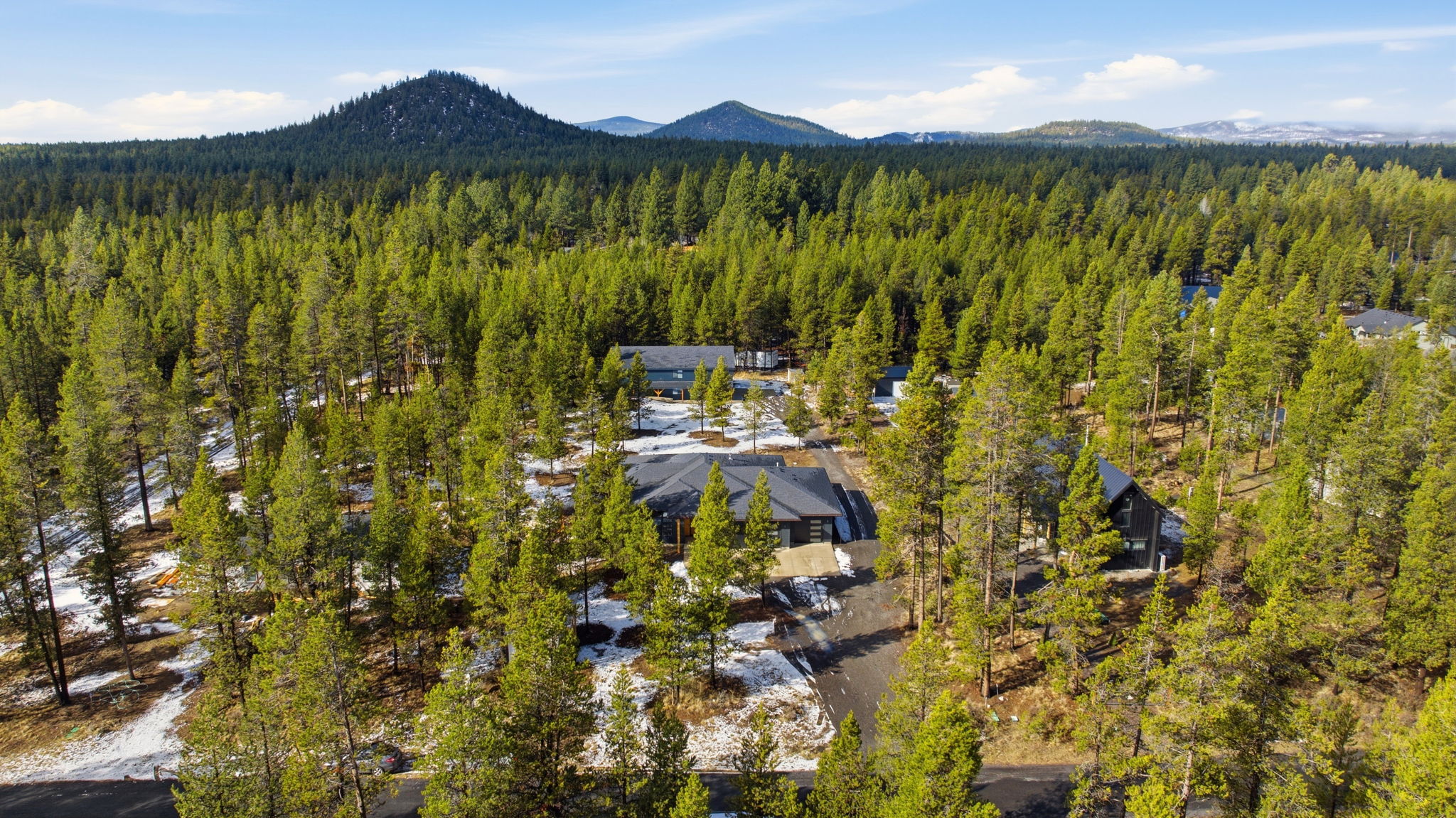
Eco-Anxiety and Real Estate: How Climate Resilience is Affecting Insurance Premiums and Home Values
As we navigate the 2026 housing market, new criteria have redefined property worth. Flood zones, wildfire risk, and grid reliability are now top priorities. Consequently, “eco-anxiety”—the chronic fear of environmental doom—is no longer just a psychological phenomenon. It is now a driving force influencing climate resilience real estate values. At our firm, we see how climate data has shifted from a background concern to a primary deal-breaker. This shift fundamentally alters how we value homes and how much it costs to protect them in an era of environmental volatility.
Key Takeaways
-
Insurance as a Bellwether: Rising premiums signal high climate risk, which often precedes a dip in property value.
-
The “Resilience Premium”: Homes with fire-resistant siding or flood mitigation sell faster and for higher prices.
-
Transparency is Mandatory: 2026 buyers use high-resolution climate modeling to vet properties before booking a showing.
-
Financing Hurdles: Lenders now scrutinize climate risk, often leading to stricter mortgage requirements in high-hazard areas.
The Rising Cost of Protection: Insurance Market Shifts
Homeowners’ insurance has reached a historic turning point. In many high-risk states, premiums have outpaced inflation significantly. These costs now account for an average of 9% of the typical monthly mortgage payment. Furthermore, this “insurance tax” directly impacts affordability. When a premium jumps, it effectively reduces the buyer’s purchasing power. Therefore, sellers often adjust listing prices downward to compensate for these carrying costs and protect climate resilience real estate values.
How Climate Risk is Redefining Home Values
We are currently seeing a widening “value gap” between climate-resilient homes and those exposed to environmental perils. For instance, data from early 2026 suggests that homes in high-risk wildfire or flooding categories have seen value suppressions of nearly $44,000. Conversely, properties in “climate havens” are experiencing outsized demand. This migration toward stable inland temperatures continues to bolster climate resilience real estate values in those specific regions.
The Psychology of Eco-Anxiety in Home Buying
The emotional weight of climate change is manifesting as a “flight to safety.” Specifically, nearly half of U.S. homeowners surveyed in 2026 admitted that climate concerns motivated their move. This anxiety is especially prevalent among younger buyers who seek 30-year stability. They aren’t just buying a house; rather, they are buying a fortress against an uncertain future. As a result, they prioritize long-term climate resilience real estate values over temporary aesthetic trends.
Investing in Resilience: Protecting Your Real Estate Value
In the past, a “luxury” upgrade might have meant marble countertops. Today, however, it means a fortified roof or a whole-home battery backup system. Smart investors are now pivoting their renovation budgets toward “hard” resilience features. These upgrades help safeguard climate resilience real estate values. Consider these key improvements:
-
Fire-wise Landscaping: Removing combustible materials from the home’s perimeter.
-
Energy Independence: Using solar arrays and high-capacity storage to combat grid instability.
-
Permeable Surfaces: Replacing concrete driveways with materials that manage storm runoff.
The Role of Climate Data in Due Diligence
The era of “buying blind” is over. While some platforms have faced pressure to remove risk scores, third-party data providers have filled the void. Prospective buyers in 2026 now come to the table armed with 30-year projections for sea-level rise. For sellers, this means that transparency regarding climate resilience real estate values is no longer optional. Instead, it is a basic requirement for a successful closing.
Future Outlook: Sustaining Climate Resilience Real Estate Values
While the outlook for high-risk zones is challenging, it is not without hope. Many municipalities are currently investing in large-scale infrastructure like sea walls. They do this to protect their tax bases and residents. However, for the individual homeowner, the message is clear: resilience is the new currency. Whether you are buying or selling, understanding environmental risk is the most important skill for maintaining your climate resilience real estate values.