Counting the Cost: Your 2025 Guide to the Bend, Oregon Lifestyle
It’s no secret that Bend is one of the most desirable places to live in the Pacific Northwest. Between the world-class skiing at Mt. Bachelor and the endless summer days on the Deschutes River, the “quality of life” here is off the charts. But at Bend Relo, we know that moving to a new city requires more than just a love for the outdoors—it requires a clear understanding of the local economy.
As we head into 2025, the cost of living in Bend reflects its popularity. While some costs are higher than the national average, others—like our green energy and lack of sales tax—offer a welcome relief. Here is the real-world breakdown of what it costs to call Bend home today.
1. Housing: The Foundation of Your Budget
Housing is the largest factor in the cost of living in Bend. After a few years of rapid shifts, the market has settled into a competitive but more predictable rhythm.
-
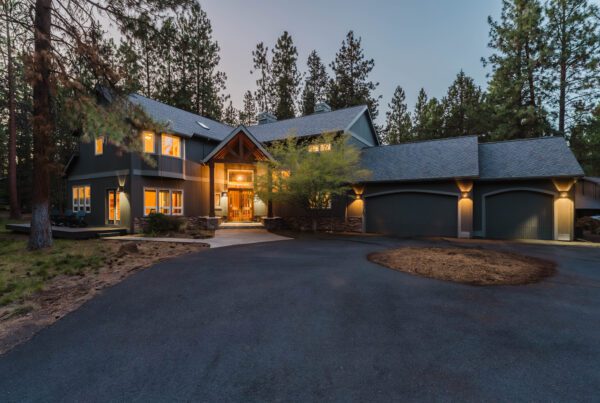
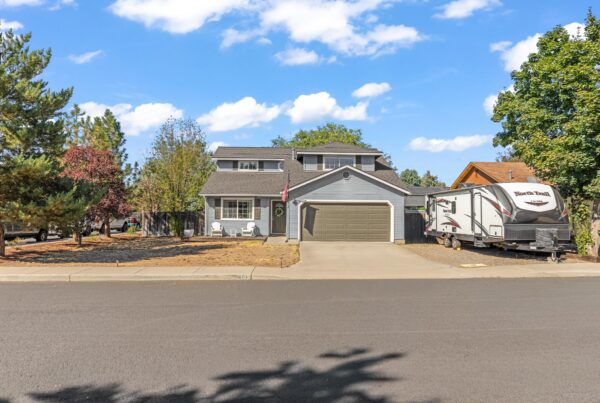
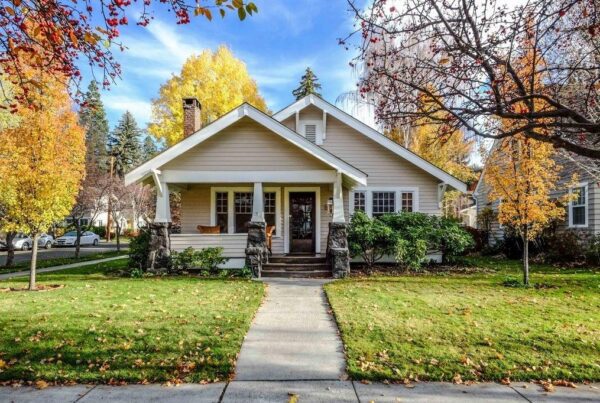
Buying a Home: As of late 2024 and early 2025, the median sale price for a single-family home in Bend sits around $680,000 to $720,000. While luxury areas like Tetherow or Awbrey Butte can easily push into the millions, neighborhoods like Larkspur and the Orchard District often provide more approachable entry points.
-
Renting: If you aren’t ready to buy, expect to pay approximately $1,711 for a one-bedroom apartment or upwards of $2,300 for a three-bedroom unit. Single-family home rentals typically range from $2,600 to $3,200 depending on the neighborhood.
2. Utilities: Staying Comfortable in the High Desert
One of the perks of the cost of living in Bend is our relatively affordable electricity. Thanks to regional hydro-power and a push for solar, your monthly bills might be lower than you’d expect for a mountain town.
-
Electricity: The average monthly residential bill is about $155.
-
City Services: The City of Bend’s water, sewer, and stormwater services average around $100–$150 for a standard single-family home. Note that a new monthly Transportation Fee (roughly $10.50 for houses) was recently added to help maintain our roads.
-
Connectivity: High-speed internet averages $70–$110 per month, which is essential for the many remote professionals who call Bend home.
3. Groceries and Dining: The “Foodie” Factor
Oregon is one of the few states with no sales tax, which means the price you see on the tag is the price you pay at checkout. This provides a significant 5–10% “hidden discount” on your daily cost of living in Bend compared to neighboring states.
-
Groceries: Expect to spend about $400–$500 per person monthly. Local favorites like Newport Avenue Market offer premium local goods, while Costco and WinCo help keep the budget in check.
-
Dining Out: Bend is a brewery and food-cart capital. A casual meal at a food cart pod will run you $15–$20, while a nice dinner for two at a mid-range restaurant is usually around $90 including drinks.
4. Lifestyle and Transportation: The “Price of Admission”
In Bend, your lifestyle is your primary expense. Most residents trade high entertainment budgets for investments in gear like mountain bikes, skis, and kayaks.
-
Transportation: Gas prices in Central Oregon tend to be higher than the national average due to our remote location, currently averaging around $4.00–$4.50 per gallon.
-
Recreation: A Mt. Bachelor season pass or a golf membership at Tetherow are common line items in a local’s budget. However, remember that our 40+ miles of town trails and nearby national forests provide “free” entertainment year-round.
Is Bend the Right Fit for Your Budget?
When you add it all up, the cost of living in Bend is roughly 10–12% higher than the national average, primarily driven by the housing market. However, for many of our clients at Bend Relo, the trade-off is worth it. You’re paying for a 10-minute commute, clean air, and a community that values health and adventure above all else.
Talk with David & the Bend Relo team
Buying, selling, relocating, or evaluating a specific property? Tell us what you are working through. We are happy to help.