

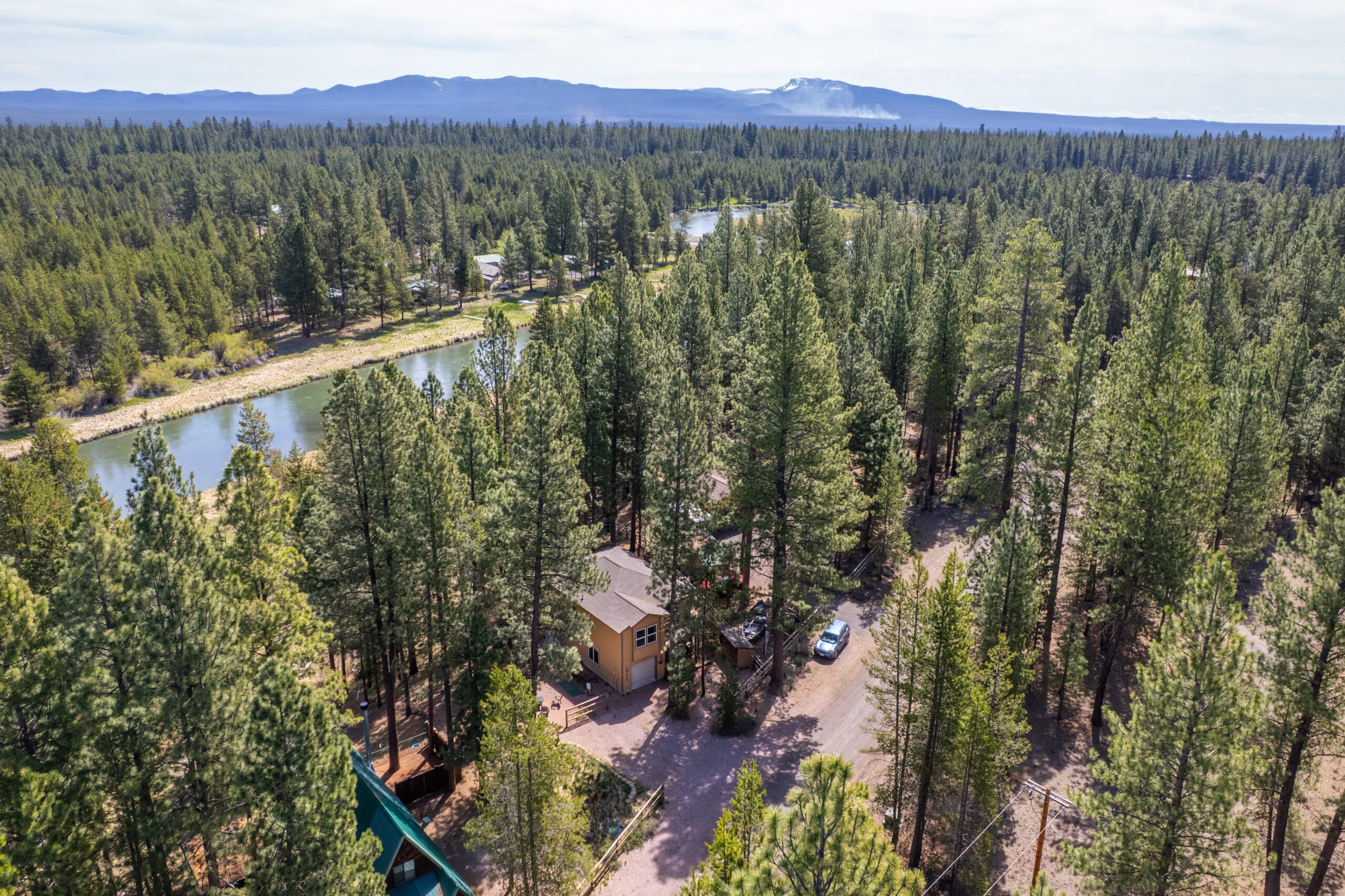
A neighborhood name can be useful shorthand, but it does not tell you how a specific Bend home will work for your daily life. Two homes in the same neighborhood can have very different school assignments, traffic patterns, trail access, utility arrangements, street conditions and exposure to future development.
The most reliable way to compare Bend neighborhoods is to start with your own routines, then test each property at the address level. This checklist helps you do that without relying on broad labels such as “best,” “safest” or “family-friendly.”
1. Turn your priorities into real trips
Begin with the trips you expect to make every week. These might include work, school, medical appointments, groceries, the airport, downtown, trailheads or family activities. Map those trips from the exact address rather than from the center of a neighborhood.
Then drive, bike, walk or ride the route at the times you are most likely to use it. A short distance on a map may feel different during school arrival, winter weather or a busy recreation weekend. If outdoor access is a major priority, use our route-first guide to buying for outdoor access to compare the last few miles as carefully as the home itself.
2. Verify school assignments directly
School boundaries can change, and an address that looks close to a school may be assigned elsewhere. Use the Bend-La Pine Schools attendance-area maps and address lookup, then confirm the assignment with the district when it matters to your decision.
School ratings are not a substitute for understanding a student’s needs or a school’s programs. Buyers can review official program information, visit schools when permitted and ask the district about enrollment, transportation and transfer policies. A real estate professional should help you find objective sources and support your criteria—not steer you toward or away from a community based on who lives there or subjective neighborhood labels.
3. Test transportation options from the property
If transit matters, compare the address with the current Cascades East Transit Bend routes and schedules. For walking and biking, look beyond a general walkability score. Check whether the actual route has sidewalks, crossings, lighting, bike facilities and a comfortable connection to the places you plan to use.
It is also worth visiting at more than one time of day. Listen for road, rail, construction and recreation noise; look at parking demand; and see how traffic moves through the nearest intersections. These are property-specific observations, not a verdict on the whole neighborhood.
4. Check the parcel, services and private rules
Before relying on a listing description, research the parcel in the Deschutes County DIAL property-record and mapping system. DIAL is a useful starting point for tax-lot information, maps and likely service providers, but the county cautions that service information should be confirmed with the provider.
For a particular home, also review the preliminary title report, seller disclosures and any homeowners-association documents. Depending on the property, important questions may include:
- Who maintains the street, driveway or access road?
- Are there recorded easements or shared-access agreements?
- Which utilities serve the property, and are any systems private or shared?
- What do the covenants, conditions and restrictions say about parking, rentals, exterior changes or accessory structures?
- What dues, assessments or transfer fees apply?
For rural-edge properties, our guide to easements and access roads around Bend explains why recorded documents and maintenance responsibilities deserve separate attention.
5. Research what may change nearby
A vacant parcel, open view or quiet route is not guaranteed to stay the same. Use the City of Bend’s interactive maps to review zoning, transportation and other mapped information. The city’s Planning Division provides current land-use resources, and its land-use and neighborhood public-meeting page explains how nearby applications may be shared with neighborhood districts.
These tools can identify questions to investigate, but they cannot promise future appreciation, a permanent view or a fixed traffic pattern. If a nearby parcel or proposed project is material to your purchase, verify the current record with the responsible public agency and obtain professional advice where needed.
6. Compare the tradeoffs, not just the labels
Bend’s west side, east side, central neighborhoods and outlying areas each contain many different streets and housing types. A useful comparison connects location to your budget, lot preferences, daily routes and recreation habits. Our Bend neighborhood relocation guide provides a broader orientation; this address-level checklist is the next step once you have specific homes in mind.
David’s earlier overview of Bend neighborhoods is also a helpful introduction to the local landscape. Treat it as perspective, then verify current conditions for the property you are considering.
Watch David’s Bend neighborhoods video on YouTube.
A practical field-test before you make an offer
For each serious candidate, save the same short scorecard:
- three routine trips tested from the exact address;
- school assignment verified through the district, if relevant;
- transit, walking and biking routes checked in person;
- parcel, title, HOA and service questions identified;
- nearby zoning and active planning questions reviewed; and
- one visit at a different time of day.
This process will not make every tradeoff disappear. It will give you a clearer, property-specific basis for choosing among them.
Compare Bend homes with a local plan
Bend Relo can help you translate your priorities into a focused search, gather the right address-level questions and coordinate the next steps with your lender, inspector, title team and other specialists. Contact Bend Relo to start comparing homes around the way you actually expect to live.
Talk with David & the Bend Relo team
Buying, selling, relocating, or evaluating a specific property? Tell us what you are working through. We are happy to help.





